
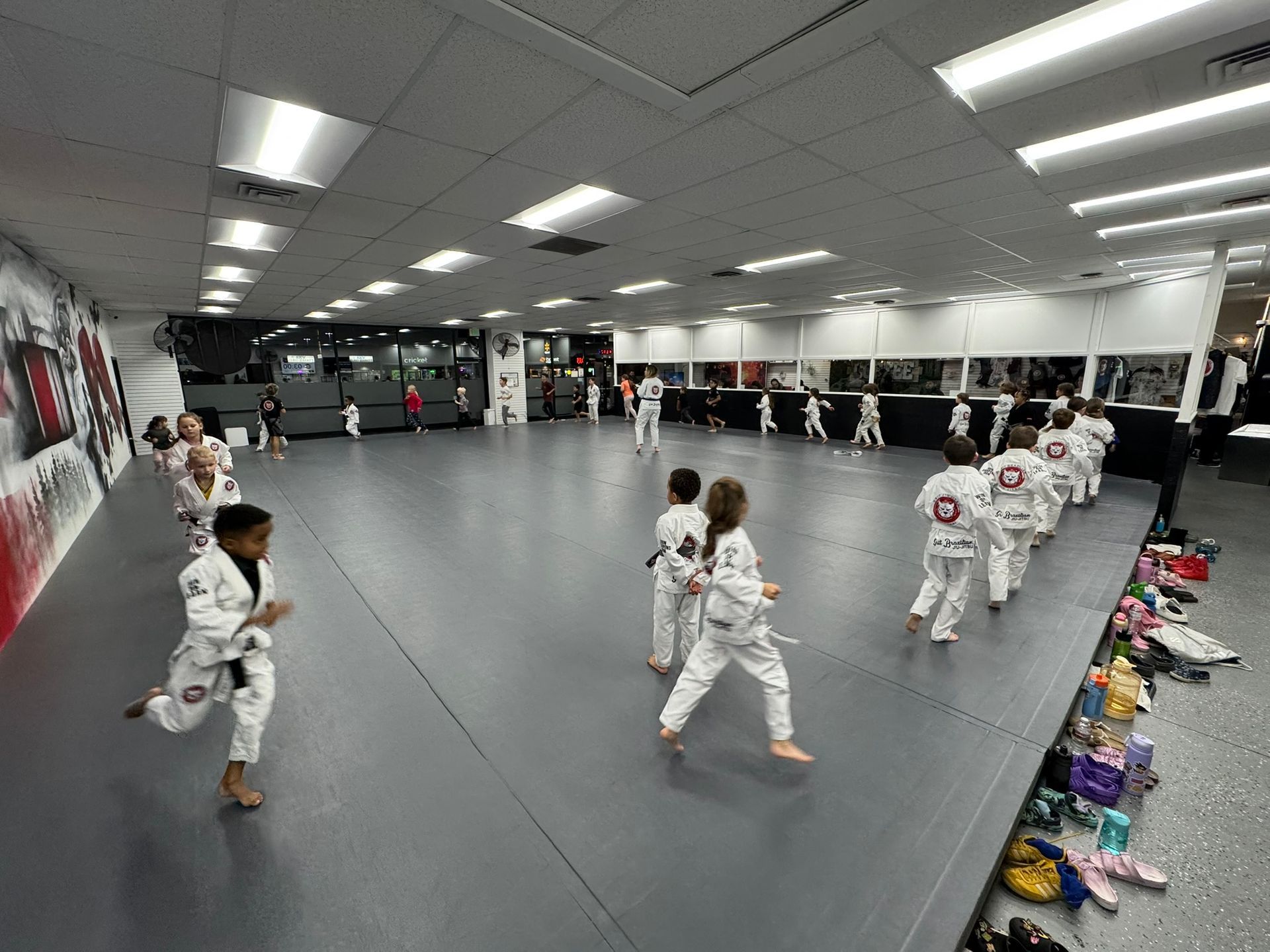
Youth Jiu-Jitsu builds brave kids by teaching calm, respectful problem-solving with supportive teammates.
Parents around Spokane Valley ask us the same thing in different ways: How do we help our kids feel confident without turning confidence into aggression? Youth Jiu-Jitsu is one of the clearest answers we’ve found because it rewards composure, listening, and persistence more than “being tough.”
In our classes, courage looks practical. It’s raising a hand to ask a question, trying a new movement even when it feels awkward, and learning to breathe when your heart starts racing. And the friendship piece is real, too: kids spend class cooperating with partners, celebrating tiny improvements, and learning how to be safe with each other.
If you’re exploring Youth Jiu-Jitsu in Spokane Valley for the first time, we’ll walk you through what training actually looks like, how we keep it safe, and what most families notice in the first few months.
Why Youth Jiu-Jitsu teaches courage without turning kids into fighters
Courage in jiu-jitsu is quiet. A child might feel nervous about close contact or worried about “messing up.” We normalize that feeling and show your child how to move through it: start with fundamentals, practice slowly, then build confidence step by step.
Because jiu-jitsu is built around control and positioning, we can teach kids how to handle pressure without relying on swinging or striking. That’s important for many families, especially when the goal is emotional steadiness and better decision-making, not picking fights.
Jiu-Jitsu in Spokane Valley also fits what parents want from an after-school activity: structure, clear boundaries, and an environment where respect isn’t optional. Kids learn that being brave often means being careful.
Friendship grows faster when kids train with partners
A lot of activities put kids side-by-side. Jiu-jitsu puts kids with partners, which is different. Partner drills require cooperation, eye contact, and taking turns leading and following, all while staying safe. That shared effort becomes a shortcut to connection.
In Youth Jiu-Jitsu, the room naturally creates little moments of teamwork:
- One kid helps another remember a step in a drill.
- Partners reset and try again after a mistake, with no big deal made out of it.
- Kids learn names quickly because they rotate partners and greet each other repeatedly.
For shy kids, this is huge. Instead of needing to “perform” socially, your child gets a simple job to do with another kid: drill, listen, switch. Friendship comes from doing, not from trying to be the most outgoing person in the room.
What parents notice first (usually before any fancy technique)
Most parents expect to see physical skills first, but the earliest wins are often behavioral. Within the first few weeks, we commonly see kids carry class habits into daily life.
Here are a few of the changes families tend to notice early on:
- Better listening, because class has clear start and stop signals and simple expectations
- Improved body control, like fewer accidental bumps, falls, and clumsy collisions
- More patience, since progress comes from repeating basics and accepting corrections
- Calmer reactions under stress, because kids practice breathing and problem-solving
- More comfort with new peers, since partner work breaks the ice quickly
Those changes are part of why Youth Jiu-Jitsu in Spokane Valley keeps growing as a family-focused activity. It’s not just “exercise.” It’s practice for being steady in the real world.
A safe, structured class matters more than intensity
Safety is not a marketing phrase for us. It’s the foundation. Youth Jiu-Jitsu works best when kids feel secure enough to try hard without feeling overwhelmed.
Our approach is built around a few consistent rules:
- We teach tapping early and treat it as smart communication, not “quitting.”
- We match partners thoughtfully and supervise closely.
- We focus on control first, then speed later.
- We stop unsafe behavior immediately and explain why, clearly and calmly.
If you’re worried about injuries, you’re not being overprotective. You’re being practical. We want you to know exactly what your child is learning and how we keep the room respectful and caring while still challenging.
What age should a child start Youth Jiu-Jitsu?
Families often ask for a perfect age. In reality, readiness matters more than a number. Many kids do well once they can follow directions in a group, take turns, and handle gentle correction without melting down. That tends to line up with early elementary years, but every child is different.
If your child is energetic, jiu-jitsu gives that energy somewhere to go with boundaries. If your child is cautious, we can scale the pace so confidence builds without pressure. Youth Jiu-Jitsu should meet your child where your child is, not where anyone thinks your child “should” be.
The best way to decide is simple: come in, try a class, and see how your child responds to the structure.
What a beginner-friendly youth class typically looks like
Parents deserve clarity, so here’s the general flow you can expect when your child starts Youth Jiu-Jitsu with us. We keep class predictable because predictability helps kids feel safe, and it helps them learn faster.
1. Quick line-up and review of class rules and goals for the day
2. Warm-up movements that build coordination, balance, and safe falling skills
3. Technique instruction with clear steps and lots of repetition
4. Partner drills with coaching and frequent resets
5. Optional games or positional rounds designed for learning, not ego
6. Cool-down, quick recap, and a moment for encouragement and questions
That structure is intentional. It teaches kids how to enter a space, focus, work with others, and leave with a sense of progress.
What progress looks like in the first 1 to 3 months
In the first month, most kids are learning how to move: how to sit safely, how to fall, how to keep their hands in the right place, how to control personal space. It can look simple, but it’s not. This is where confidence is built.
By months two and three, kids start connecting the dots. You may hear your child use new vocabulary or explain a concept like “base” or “control.” More importantly, you’ll see your child stay calmer when something is difficult. That’s the courage part showing up in real time.
Youth Jiu-Jitsu is a long game, and that’s a good thing. The goal isn’t to rush. It’s to build a kid who can stick with hard things.
Bullying and Youth Jiu-Jitsu: focusing on prevention and composure
Can jiu-jitsu help with bullying? Yes, when it’s taught responsibly. We emphasize awareness, posture, and confidence that reduces the chance of being targeted in the first place. We also talk about boundaries and when to get a trusted adult involved.
Our approach is centered on non-violent conflict resolution. We want your child to have skills, but we also want your child to have judgment. Youth Jiu-Jitsu should not teach kids to “handle it” alone. It should teach kids to stay calm, protect themselves if necessary, and seek help early.
A child who feels capable often carries themselves differently. That alone can change social dynamics at school, in hallways, and on the playground.
What should kids wear to the first class?
Keep it easy. Comfort and safety matter more than having the “right look.” For the first class, you can typically bring your child in athletic clothing that allows movement and doesn’t have zippers or hard parts that can scratch.
A few simple tips:
- A clean t-shirt or rash guard style top is great
- Athletic shorts or leggings work well
- Bring a water bottle and tie long hair back
- Trim fingernails and toenails to help prevent scratches
If your child continues, we’ll guide you on uniform and gear basics so you don’t have to guess.
How often should kids train each week?
Consistency beats intensity. For most families, two classes per week is a strong starting point for Youth Jiu-Jitsu because it builds momentum without overload. Some kids thrive with more, especially if they love routine and want extra practice.
The key is choosing a rhythm your family can actually keep during the school year. Spokane Valley schedules get busy fast with homework, sports, and family commitments. We recommend starting with a realistic plan, then adjusting once your child feels settled.
How Youth Jiu-Jitsu fits Spokane Valley after-school life
Spokane Valley families often want an activity that does more than burn energy. Youth Jiu-Jitsu gives kids a place to reset after school, move their bodies, and practice respectful interaction with adults and peers.
We also understand the practical side: you need clear times, predictable routines, and a program that feels organized. That’s why we encourage you to use the class schedule page on the website and build training into your week like any other essential appointment. When kids know “this is what we do on these days,” attendance becomes easier and progress becomes more visible.
And on a very human note: a lot of kids walk in a little unsure, then walk out a little taller. It’s subtle, but you can feel it.
How to know if our program is the right fit for your child
The best indicator is how your child responds to three things: structure, coaching, and community. If your child likes clear rules, supportive correction, and being part of a team where everyone is learning, Youth Jiu-Jitsu tends to click.
We also want you to feel comfortable as a parent. You should be able to see that class is supervised, that partners are managed thoughtfully, and that the tone is respectful. When that’s in place, courage and friendship have room to grow naturally.
Ready to Begin
If you want an after-school activity that builds real confidence, steady courage, and genuine friendships, we’d love to help you get started. Our Youth Jiu-Jitsu program is designed to be challenging, safe, and welcoming, so your child can learn without feeling pushed past what’s appropriate.
When you train with us at Grit Jiu-Jitsu & Muay Thai Martial Arts, you’re joining a community in Spokane Valley that values respect, self-control, and consistent growth. If you’re ready to see how quickly small wins turn into big changes, the next step is simple.
Turn what you learned here into hands-on training by joining a Brazilian Jiu-Jitsu class at Grit Brazilian Jiu-Jitsu & Muay Thai.